
The 3 Signs You’re Gaining Muscle, Not Fat
Are you working out regularly but not seeing the results you want? You may struggle to see any change in the scale, but that doesn’t mean you’re gaining fat or not gaining muscle.
How Can I Tell If I’m Gaining Muscle, Not Fat?
There are three main signs that you’re gaining muscle, not fat:
1. You’re seeing an increase in your strength.
One of the most apparent signs that you are gaining muscle is when you see an increase in your strength. This could manifest in being able to lift heavier weights during your workouts or simply completing more reps than before with the same weight. You might also notice that everyday activities that once required some effort are now easier to do.
Muscle mass gains indicate increased endurance and improved recovery time after working out. You might find that you can run further or for a more extended period without feeling as tired as before. Additionally, your muscles might feel less sore the day after a challenging workout than they used to. All of these factors combined can give you a good indication that you are successfully gaining muscle mass.
2. You’re noticing that your clothes are starting to fit differently.
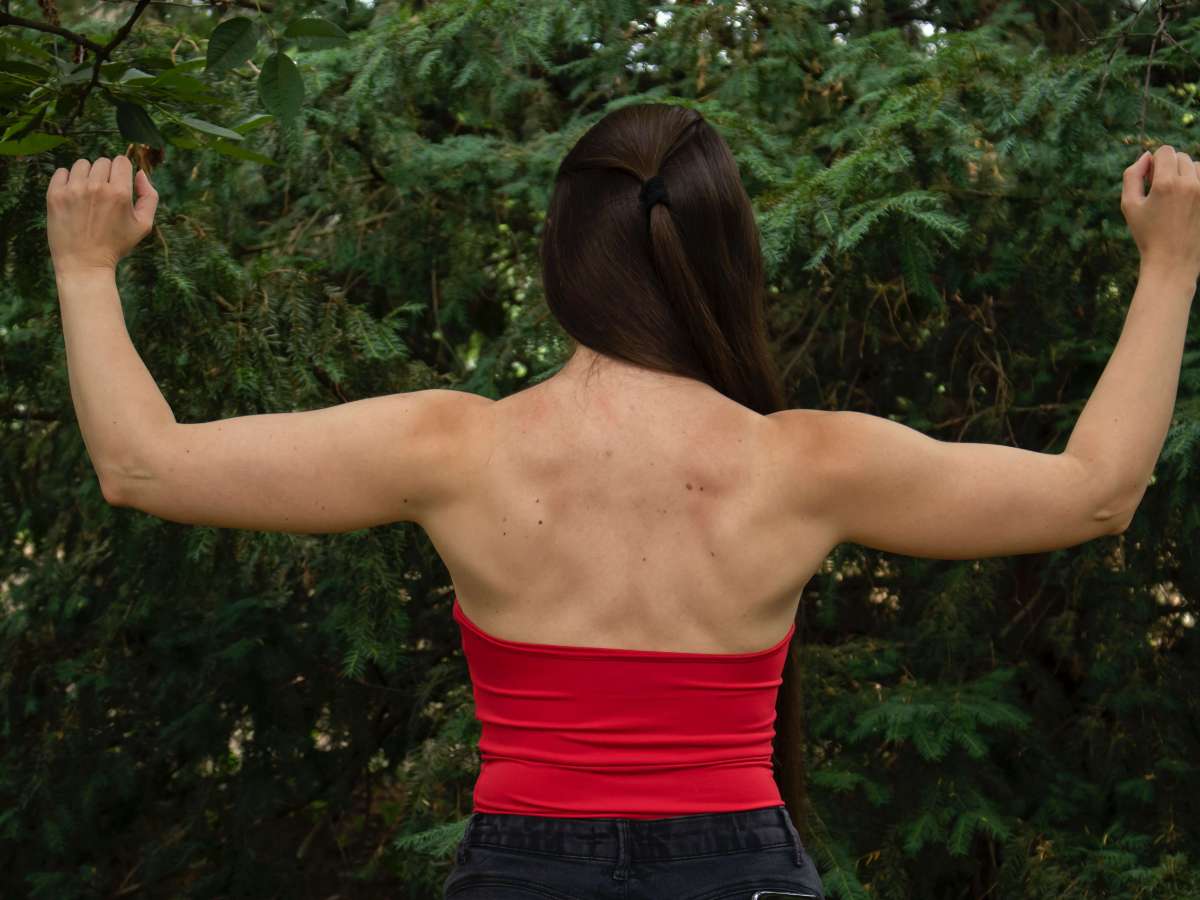
One sign that you’re gaining muscle is if you’re noticing a change in your body composition. If you’re getting stronger and more toned but not necessarily losing weight, it’s a good indication that you’re gaining muscle. Suppose you’re seeing definition in your muscles. You’ll see more definition in your arms, legs, and core as you gain muscle mass.
If you only see a change in the number on the scale, it doesn’t necessarily mean you’re gaining fat. Muscle is dense than fat, so even if you haven’t lost weight, your clothes may feel looser as you gain strength. But because it takes up less space, you may not see a change in your appearance. If you’re concerned about gaining fat, pay attention to how your clothes fit and how your body looks and feels rather than the number on the scale.
Ready to Elevate Your Health and Wellness Journey?
Get the latest tips on fitness, nutritious recipes, and daily motivation straight to your inbox. No fluff, just honest, actionable advice to help you reach your goals and transform your life, one healthy step at a time.
[formaloo address=”v20nd” slug=”025tx4XW” type=”script” show_title=”no” show_descr=”no” show_logo=”no”]
3. Your energy and mood are changing for the better.
You’ll have more energy overall when you work out regularly and eat a healthy diet. Feeling more sluggish could signify that you’re not getting enough protein or calories to support muscle growth.
If you feel more energetic and in a better mood, it could be a sign that you’re gaining muscle. Muscle growth requires extra energy, so you may feel the need to move more and be more active overall. Additionally, the endorphins released during exercise can lead to improved mood. If you’ve been sticking to your workout routine and notice these changes, it’s a good indication that you see results.
How Can I Keep My Muscle Gains After I Lose Fat?
You must ensure you’re eating enough protein and calories to keep your muscle gains after losing fat. You also need to include regular strength-training exercises in your routine. Strength training will help you to maintain muscle mass, and it also burns calories. Finally, make sure you get enough sleep. Sleep is essential for recovery and growth. Aim for 7-8 hours of sleep per night.
Conclusion
In conclusion, If you’re struggling to see any change in your body, don’t be discouraged. If you notice any of the three signs mentioned in the article, you are most likely gaining muscle and not fat. These signs include your clothes fitting differently, increased strength, and improved energy. Although some fat gain is inevitable when trying to build muscle, as long as you see these three signs, you are on the right track. Keep up the excellent work!


